 TriCal New Zealand
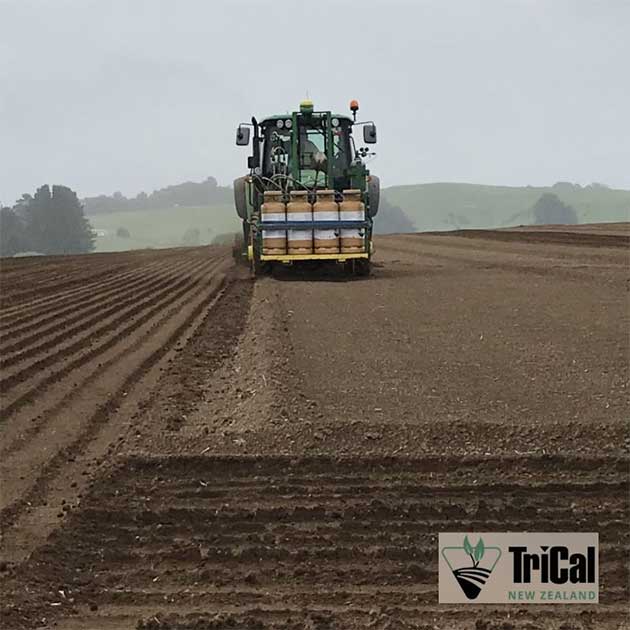
 Preparation is the first step toward a productive carrot crop.
Before planting begins, soil fumigation helps manage soilborne pests and diseases, creating healthy growing environments that support even crop establishment and productive harvests across the block.
At TriCal New Zealand, we're proud to support growers with practical solutions that lay the foundation for successful seasons.
# Carrots # New Zealand # Soil Fumigation # Soil Health # TriCal New Zealand # Trinity Manufacturing


 TriCal New Zealand
 The future of every orchard starts here.
As young apple trees are planted, creating healthy growing environments with soil fumigation is an important first step in supporting strong establishment, healthy growth and productive seasons for years to come.
At TriCal New Zealand, we're proud to work alongside growers in building the foundations for successful orchards.
With over 34 years of expertise, TriCal is New Zealand’s largest and more trusted contractor for soil disinfestation. Through our history we have provided professional soil services, better soil disinfestation products, sound advice and have earned a solid reputation for innovation and integrity.
 TriCal New Zealand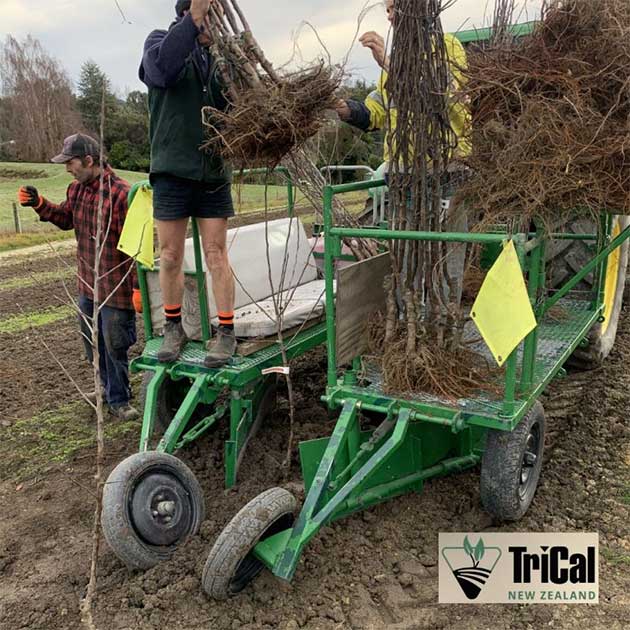
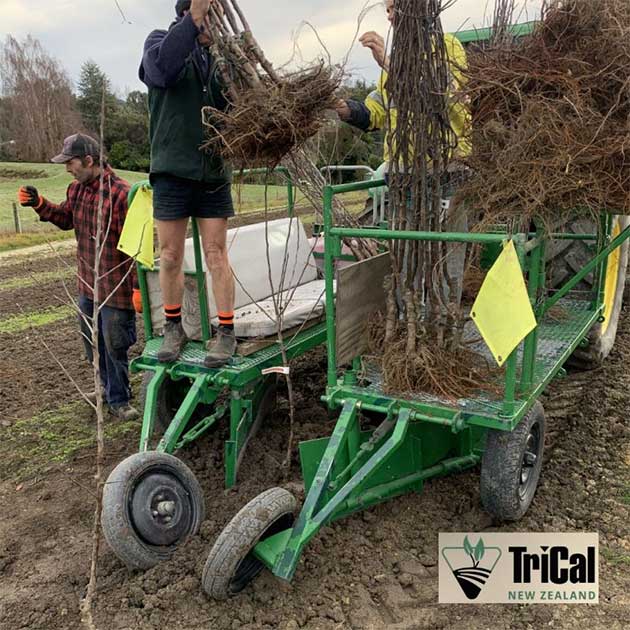
The future of every orchard starts here.
As young apple trees are planted, creating healthy growing environments with soil fumigation is an important first step in supporting strong establishment, healthy growth and productive seasons for years to come.
At TriCal New Zealand, we're proud to work alongside growers in building the foundations for successful orchards.
# Apples # Fruit Trees # New Zealand # Soil Fumigation # Soil Health # TriCal New Zealand # TriCal New Zealand: Apples
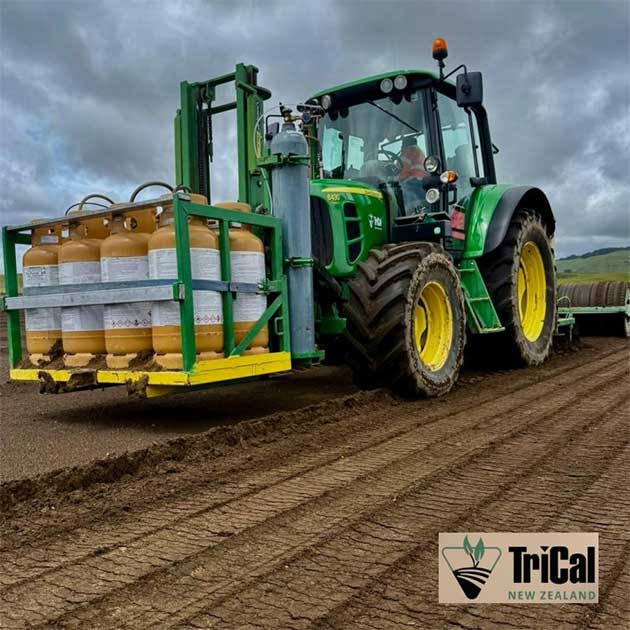
TriCal New Zealand Every successful carrot crop starts with careful preparation.
Soil fumigation helps create healthy growing environments by managing soilborne pests and diseases before planting, supporting strong crop establishment and helping growers get the season off to the best possible start.
TriCal New Zealand is proud to support growers every step of the way.
TriCal Group works closely in collaboration with universities and researchers to protect our food supply and health. The chemicals we use are registered in varying chemical formulations for maximum performance, safety, and environmental health. All have been listed as exempt under EPA residue tolerance, meaning no resulting residue in or on food grown after soil treatment with these chemistries.
 TriCal New Zealand
 Every successful carrot crop begins well before harvest.
Soil fumigation helps create healthy growing environments by managing soilborne pests and diseases before planting, supporting strong crop establishment and productive seasons ahead.
At TriCal New Zealand, we're proud to work alongside growers every step of the way.
# Carrots # New Zealand # Soil Fumigation # Soil Health # TriCal New Zealand # TriCal New Zealand: Carrots
 TriCal New Zealand
 # Fruit Trees
# Horticulture New Zealand
# New Zealand
# Peaches
# Pic-Plus
# Soil Fumigation
# Soil Health
# Stone Fruit
# Fruit Trees
# Horticulture New Zealand
# New Zealand
# Peaches
# Pic-Plus
# Soil Fumigation
# Soil Health
# Stone Fruit
Our Pic-Plus stone fruit trial results are featured in the September issue of NZ Grower & Orchardist
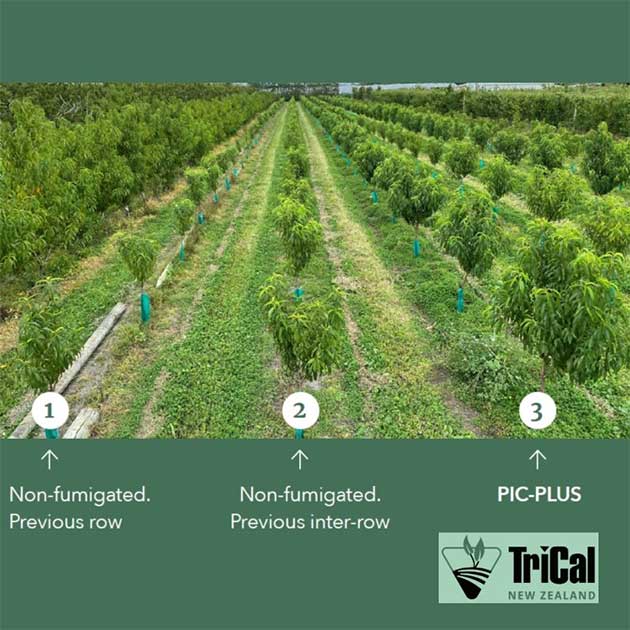
TriCal New Zealand is pleased to share the results of a Pic-Plus fumigation trial conducted in a replanted stone fruit orchard in Hawke’s Bay.
The trial assessed early tree growth and changes in the soil microbiome following soil fumigation. After the first year, trees planted in Pic-Plus soil-fumigated rows showed up to 194% greater growth in trunk circumference compared with trees planted in untreated rows.
The soil microbiome assessment also found increases of more than 80% in representative beneficial bacteria and 180% in representative beneficial fungi following soil fumigation.
The full trial results, including the crop and soil microbiome assessments, are featured in the September 2026 issue of NZ Grower & Orchardist.
(Read More) TriCal New Zealand Every successful growing season starts with strong preparation.
Through soil fumigation before planting, this vegetable trial is helping create healthy growing environments by managing soilborne pests and diseases and supporting strong crop establishment.
At TriCal New Zealand, we're proud to work alongside growers in building the foundations for successful seasons ahead.
TriCal New Zealand is a distributor and applicator of soil disinfestation products, with a focus on fresh fruit and vegetables. Based in Hawkes Bay with facilities in Napier, Nelson and Auckland, TriCal NZ's customers are located right across rural New Zealand.
# New Zealand # Soil Fumigation # Soil Health # TriCal New Zealand # Vegetables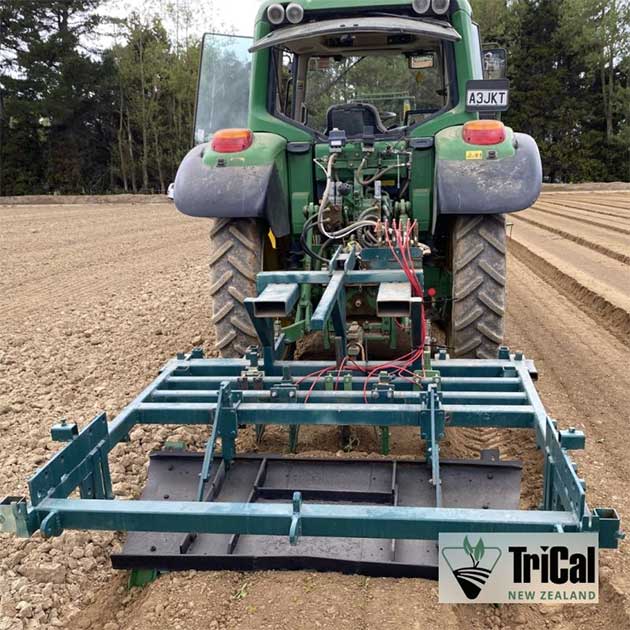 TriCal New Zealand
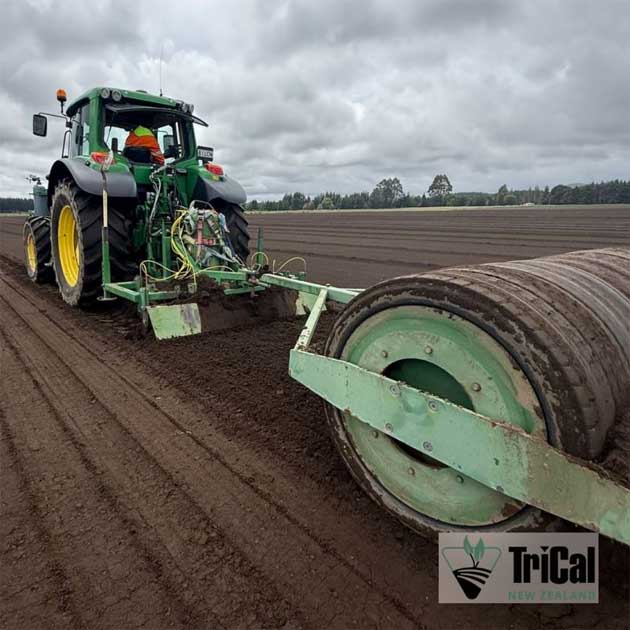
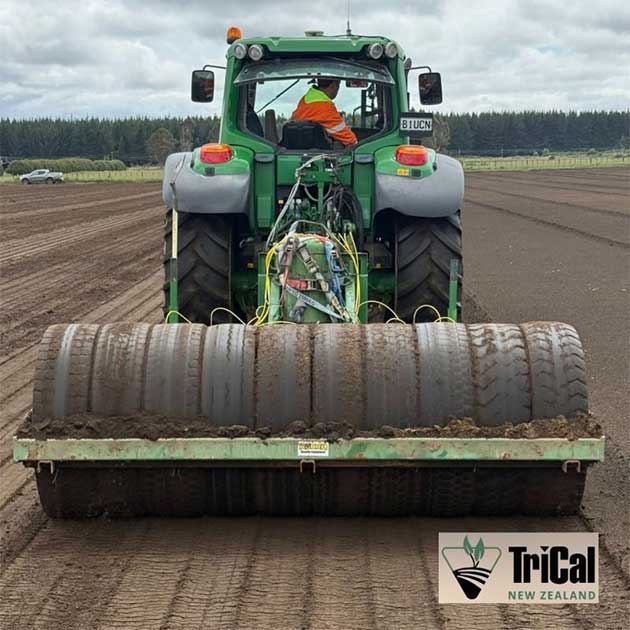
 Healthy carrot crops begin with healthy soil.
This carrot site has been prepared with soil fumigation to help manage soilborne pests and diseases before planting, creating healthy growing environments that support strong crop establishment and productive harvests.
TriCal New Zealand is proud to support growers from the ground up.
Soil Fumigation promotes a healthy root system for potatoes, onions, carrots, strawberries, melons, nuts, grapes, cucumbers, tomatoes, tree fruit, peppers, eggplants, flowers, nurseries and more. Soil fumigation provides benefits to both consumer and grower.
 TriCal New Zealand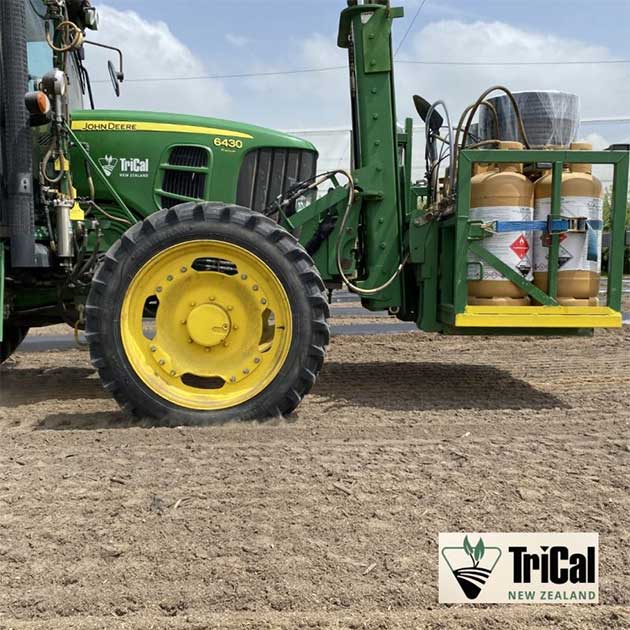
Creating healthy growing environments starts before planting.
This blueberry site has been prepared with soil fumigation to help manage soilborne pests and diseases, supporting strong plant establishment and productive growing seasons.
TriCal New Zealand is proud to support blueberry growers from the ground up.
With over 34 years of expertise, TriCal is New Zealand’s largest and more trusted contractor for soil disinfestation. Through our history we have provided professional soil services, better soil disinfestation products, sound advice and have earned a solid reputation for innovation and integrity.
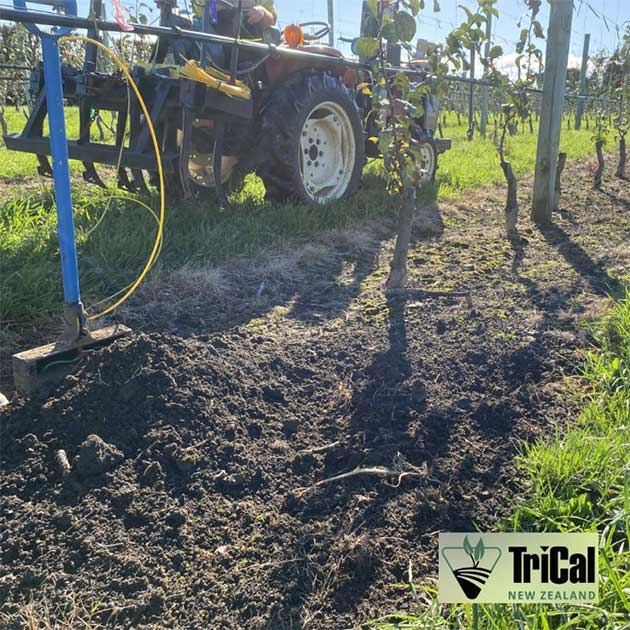
TriCal New Zealand Healthy orchards begin with healthy soil.
When gaps in orchard rows need to be replanted, TriCal New Zealand uses targeted site soil fumigation with a manual injector to help manage potential soilborne pests and diseases. The result is a healthier growing environment that supports beneficial microorganisms, strong tree establishment, and long-term orchard productivity.
TriCal Group's soil treatments contribute to soil health by both suppressing soil borne diseases and supporting the growth of native organisms that are beneficial to soil and plant growth.
# Apples # Fruit Trees # New Zealand # Replant Disease # Soil Fumigation # Soil Health # TriCal New Zealand # TriCal New Zealand: Apples
 TriCal New Zealand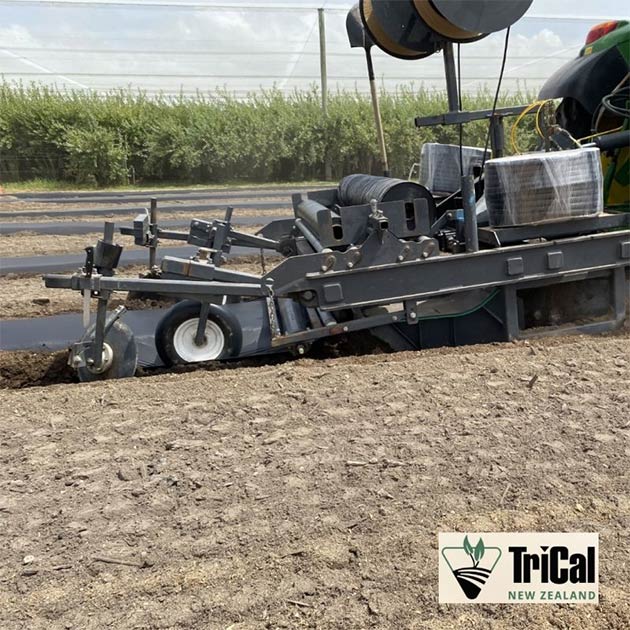
Healthy soils help create the conditions for healthy crops.
Soil fumigation plays an important role in supporting blueberry production by helping manage soilborne pests and diseases before planting, creating the foundation for strong crop establishment.
At TriCal New Zealand, we're proud to support growers in creating healthy growing environments.
TriCal New Zealand is a distributor and applicator of soil disinfestation products, with a focus on fresh fruit and vegetables. Based in Hawkes Bay with facilities in Napier, Nelson and Auckland, TriCal NZ's customers are located right across rural New Zealand.
TriCal New Zealand
Progress in agriculture starts with a willingness to learn.
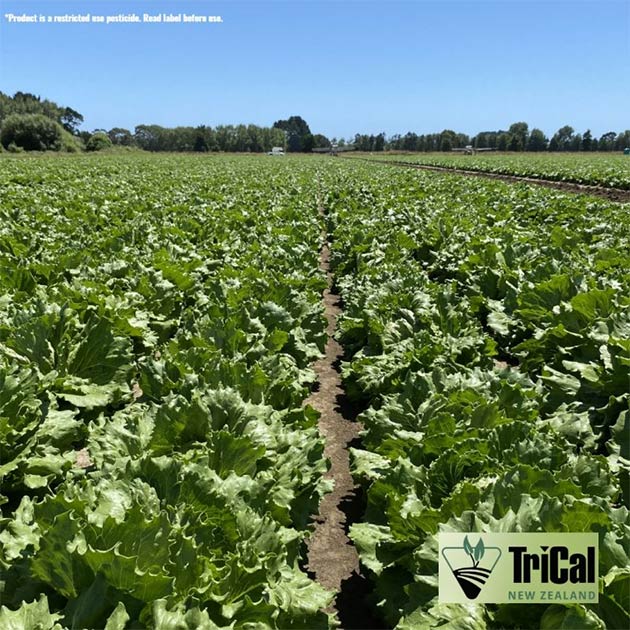
This non-tarped Pic-Plus fumigation trial is helping evaluate approaches to managing soilborne pests and diseases while supporting healthy growing environments for future lettuce crops
.At TriCal New Zealand, we're proud to work alongside growers to explore solutions that contribute to productive and sustainable growing systems.
With over 34 years of expertise, TriCal is New Zealand’s largest and more trusted contractor for soil disinfestation. Through our history we have provided professional soil services, better soil disinfestation products, sound advice and have earned a solid reputation for innovation and integrity.