 TriEst Ag Group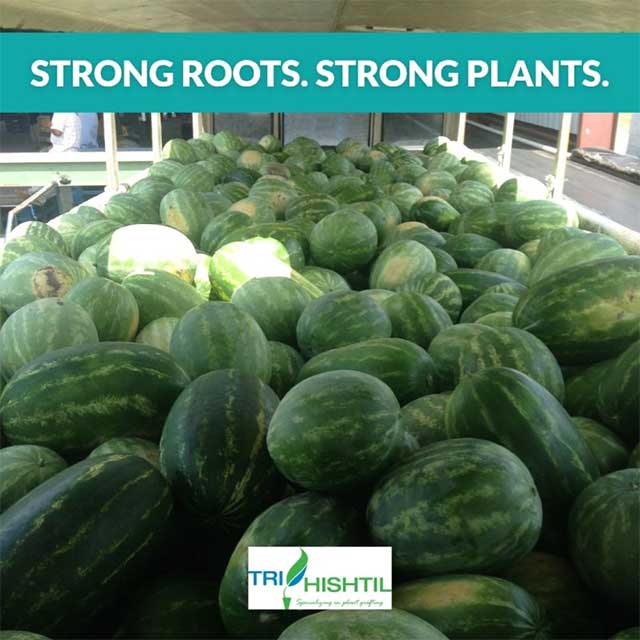
Tri-Hishtil, our trusted partner, provides premium grafted watermelon plants known for strong root systems, vigorous growth, and improved overall plant health. These advantages translate to reliable field performance and higher productivity.
Tri-Hishtil brings together three pioneers in the agricultural industry from around the world; TriEst Ag Group, Inc. in the USA; Israel-based Hishtil, and Italian-owned and operated SIS/Centro SEIA.
# Carolina Strongback # Grafted Plants # TriEst Ag Group # Tri-Hishtil # Watermelon

 TriEst Ag Group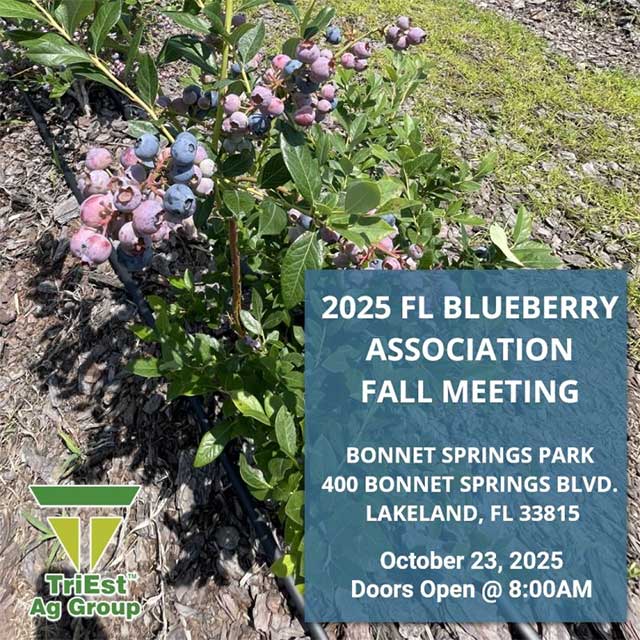
TriEst Ag Group will be exhibiting at the Florida Blueberry Growers Association Fall Meeting on October 23, 2025, in Lakeland, FL. Our team will showcase integrated solutions for soil health management, precision irrigation, agricultural technologies, and plant nutrition for enhanced productivity and sustainability in your blueberry production.
# Berries # Blueberries # Florida # Florida Blueberry Growers Association # Irrigation # Trade Shows # TriEst Ag Group
TriEst Ag Group 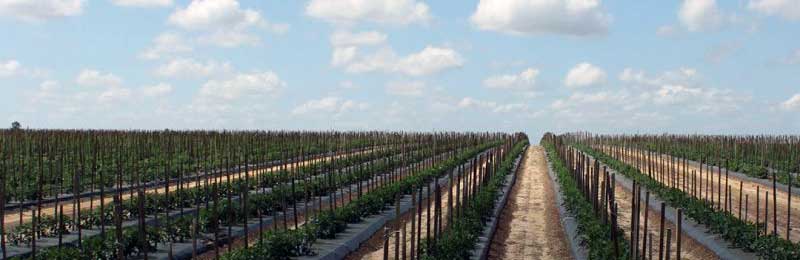
TriEst Ag Group supports growers with soil health solutions. Healthy soil is the foundation for strong, productive crops. Managing soil health is key to maximizing yield and quality. From balancing beneficial microbes to suppressing soil-borne diseases, the right soil fumigation treatments create the environment your plants need to thrive.
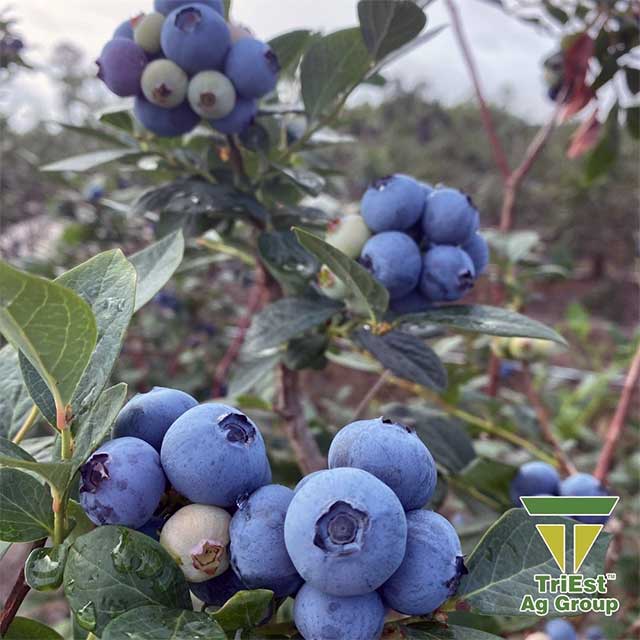
TriEst Ag Group Blueberry bushes planted in soil treated with Chloropicrin develop stronger, more efficient root systems, enabling better nutrient uptake and overall plant health. Preparing the soil properly before planting or replanting sets the stage for optimal root growth and long-term productivity.
TriEst Ag Group specializes in soil fumigation, irrigation, crop nutrition, equipment, grafted plants, polytunnels, substrate, and associated growing systems for growers in the Mid-South, Georgia, Florida, Mid-Atlantic, Mid-West, and Northeast Regions.
# Berries # Blueberries # Chloropicrin # Soil Fumigation # Soil Health # TriEst Ag Group
 TriEst Ag Group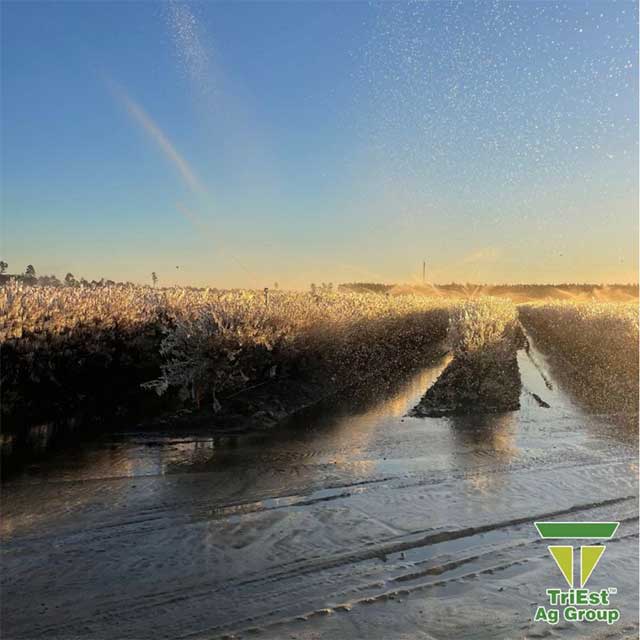
Enhance the performance and protection of your blueberry fields with expertly designed irrigation and frost protection systems. Whether you're upgrading an existing setup or planning a new installation, our team at TriEst Ag Group will work with you to develop a customized solution tailored to your operation's needs. Ensure your crop has the support it needs, season after season.
TriEst Ag Group's approach is based on what is being grown, the region where the crop is being grown, the problem the grower is having, and how they want to optimize their farm for a better quality, higher-yielding crop harvest. TriEst Agriculture treats each customer as an individual, using soil test results, plant samples, and other data from our growers to make customized recommendations.
# Berries # Blueberries # Frost Protection # Irrigation # Rainbows & Sunrises # TriEst Ag Group # Triest Irrigation # Water Management
TriEst Ag Group 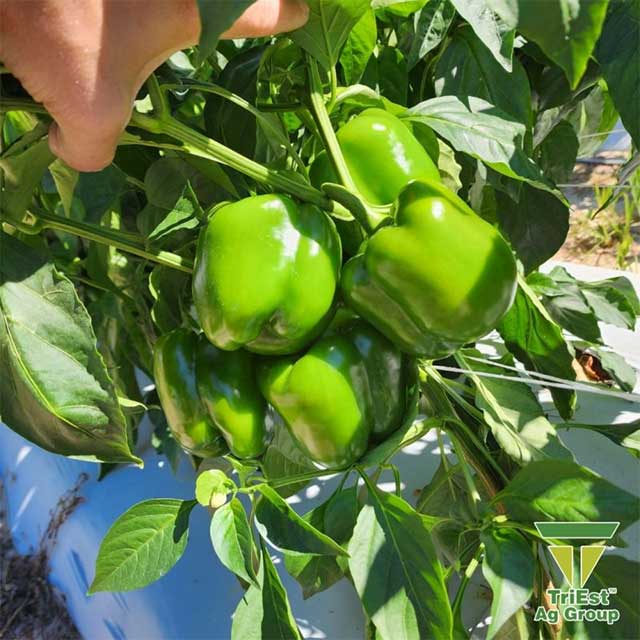
TriEst soil treatments contribute to soil health by both suppressing soil borne diseases and supporting the growth of native organisms that are beneficial to soil and plant growth.
TriEst Ag Group specializes in soil fumigation, irrigation, crop nutrition, equipment, grafted plants, polytunnels, substrate, and associated growing systems for growers in the Mid-South, Georgia, Florida, Mid-Atlantic, Mid-West, and Northeast Regions.
# Peppers # Soil Fumigation # Soil Health # TriEst Ag Group # TriEst Ag: Tomatoes & Peppers
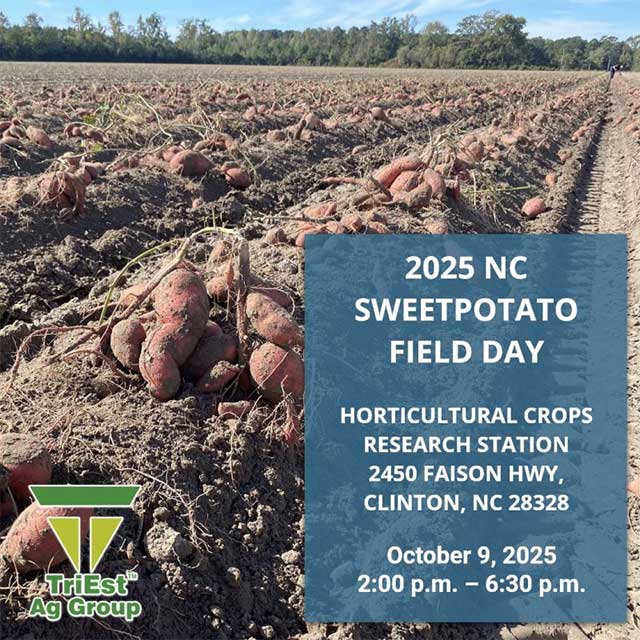
TriEst Ag Group Join the Triest Ag Group at the 2025 NC SweetPotato Field Day in Clinton, NC next week on Oct 9th. TriEst Ag Group is proud to sponsor this event and support growers with proven sweetpotato solutions in fumigation, irrigation, and fertility management.
TriEst Ag Group specializes in soil fumigation, irrigation, crop nutrition, equipment, grafted plants, polytunnels, substrate, and associated growing systems for growers in the Mid-South, Georgia, Florida, Mid-Atlantic, Mid-West, and Northeast Regions.
# North Carolina # SweetPotatoes # Trade Shows # TriEst Ag Group
 TriEst Ag Group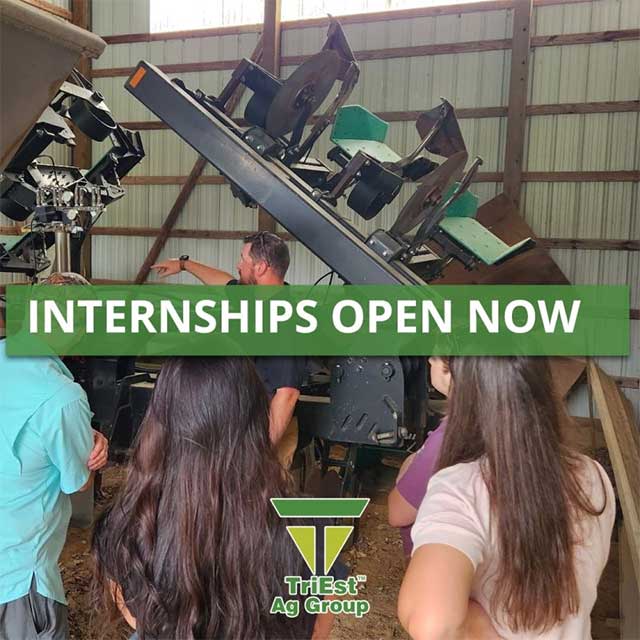
We are looking for passionate students and recent university graduates to join our 2026 Summer Internship Program. Gain hands-on experience, work alongside industry professionals, and explore career paths in Sales, Operations, Service, Finance, and Irrigation Design.
- Location: Greenville, NC (housing provided for non-local interns)
- Duration: 10 weeks, Summer 2026
- Paid internship with travel and professional development opportunities
- Application Deadline: January 31, 2026
TriEst Ag Group 

Soil health plays a major role in the success of your crops. Set your fields up for a more productive season with proven fumigation strategies that boost soil conditions and increase marketable yields. What you do now determines next season’s performance. (Read More)
TriEst Ag Group's approach is based on what is being grown, the region where the crop is being grown, the problem the grower is having, and how they want to optimize their farm for a better quality, higher-yielding crop harvest. TriEst Agriculture treats each customer as an individual, using soil test results, plant samples, and other data from our growers to make customized recommendations.
# Chloropicrin # Soil Fumigation # Soil Health # Strike™ # Teleos Ag Solutions # Telone™ by Teleos
 TriEst Ag Group
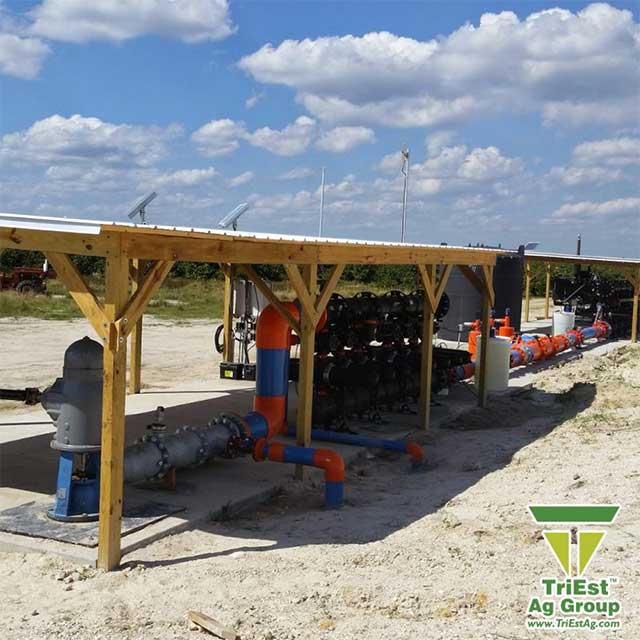
 It's well known that quality filtration systems can improve water quality and increase the overall efficiency of irrigation systems. So why don't we all invest more in choosing our filtration systems? Work with our team to build a system that works for you.
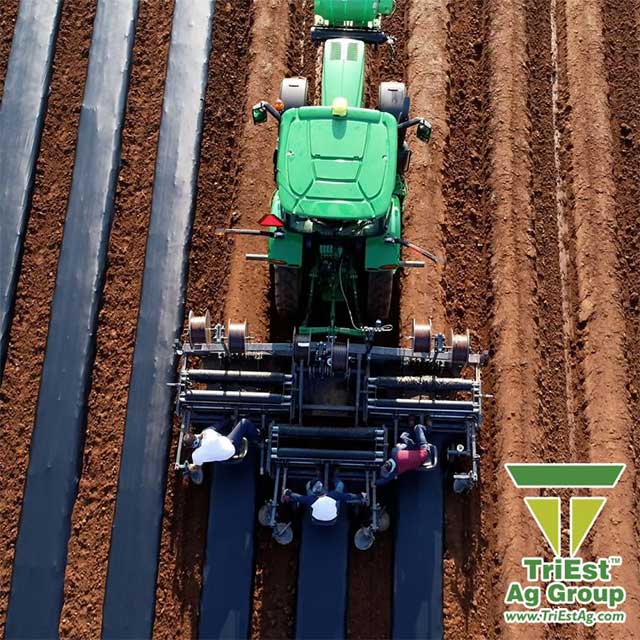
Trical Group's design teams work with our outside sales staff and the grower to develop efficient and cost-effective irrigation designs that meet the grower's goals and industry uniformity standards. They also will work together to troubleshoot or upgrade existing irrigation systems. Our design team prepares:
- Comprehensive plans and specifications.
- Design details.
- Irrigation scheduling recommendations.
- Material specifications and cost estimates.
 TriEst Ag Group
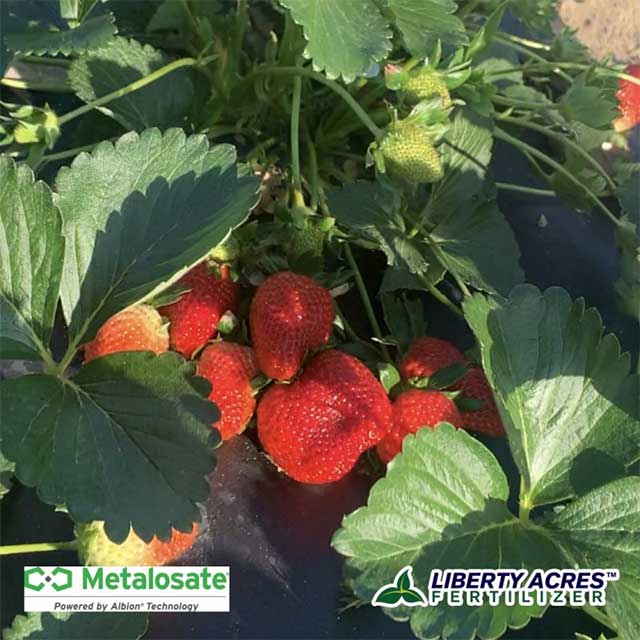
TriEst Ag encourages farmers to start plants off right with Metalosate Foliar Nutrition powered by Albion Technology. Metalosate liquid foliars are quick absorbing for efficient delivery of needed minerals to support overall plant health and key nutrients needed for growth and improved marketable yields.
TriEst Ag Group specializes in soil fumigation, irrigation, crop nutrition, equipment, grafted plants, polytunnels, substrate, and associated growing systems for growers in the Mid-South, Georgia, Florida, Mid-Atlantic, Mid-West, and Northeast Regions.
# Fertilizer # Liberty Acres Fertilizer # Metalosate # Strawberries # TriEst Ag Group
 TriEst Ag Group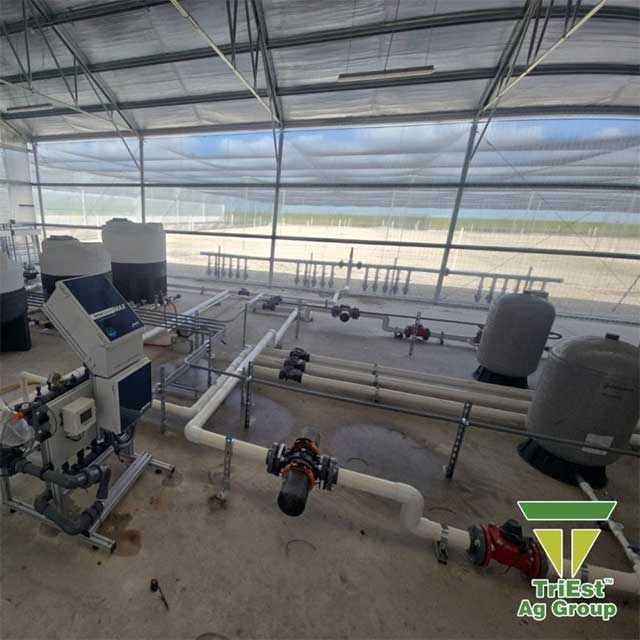
Are you starting new or upgrading your system, TriEst Ag Group delivers customized irrigation and ag technology solutions. From precision drip and fertigation to automation and climate control, we help optimize water use and create ideal growing conditions.
TriEst Ag Group specializes in soil fumigation, irrigation, crop nutrition, equipment, grafted plants, polytunnels, substrate, and associated growing systems for growers in the Mid-South, Georgia, Florida, Mid-Atlantic, Mid-West, and Northeast Regions.
# Drip Fertigation # Drip Irrigation # Fertigation # Greenhouse # Irrigation # TriEst Ag Group # Water Management